Blue Mountain Farm – Chemical-free vegetables and greens, Cage-free eggs, Trickling Spring Creamery dairy products
Colorful Creations – Baked goods, breads, cookies, berries, some vegetables and cut flowers
Farm of Peace - Pesticide-free locally grown plants and produce.
Glascock’s Produce – Winner of the 2011 Soil Conservation Farmer of the Year in the State of WV. Third generation farmer in business for over 20 years. Wide variety of vegetables and fruits; heirloom tomatoes, sweet corn, peaches, apples, bedding and vegetable plants, hanging baskets, potted plants, baked goods and preserves, Bar b q sauces, daiquiri mix and Bloody Mary mix
Gleason Orchard & Greenhouse – Perennials, Bedding Plants, Fall Mums, Pansies
Master’s Touch Plants & Produce – Old Fashioned and Exotic Perennials and House Plants, Flower and Heirloom vegetable transplants
Mock’s Greenhouse & Landscaping - Pesticide-free, hydroponically grown Heirloom Tomatoes, Bibb Lettuce, Basil, Watercress, Dandelion greens. Greens available year round. Tomatoes available from May-Dec. Vegetable and Flower Plants, 27 years in business, USDA GAP Certified.
Payne’s Berries – Raspberries (red, black & yellow), blackberries
Reed Farm - Fulton County, PA
Savage River
Saratoga Run Farm - Emu oil, Emu products: soap, lip balm, shampoo, facial serum, etc.
Thistle Glen Garden & Pottery - Organic grown fruit, vegetables, plants, flowers, herbs and Pottery.
Quail Hollow Farm – A wide selection of hard to find herbs, as well as many varieties of the familiar favorites. Homemade herbal soaps.

Kashiwa Hibachi Express is a food truck in South Charleston focusing on hibachi favorites like chicken, steak or shrimp, veggies and rice or noodles.

I went the route of shrimp & scallops over noodles. Plus the veggies - because zucchini is one of my favs. The food was all good, but my main detraction is that everything becomes one soft texture. If there was a bit more of a sear, I think it would give the variance needed.

Grade: B
In Appalachia, jelly is more than just a sweet spread.
Sure, grape, blackberry, strawberry and raspberry jellies are all familiar favorites.
But jelly has a spicy side, too. When red, yellow and green peppers, jalapeños and habaneros join the mix, a whole new spread is formed: hot pepper jelly.
Hot pepper jelly is made from peppers and sugar, resulting in a sweet-and-spicy condiment. Unlike fruit jellies, which are purely sweet, hot pepper jelly combines the natural heat of chili peppers with sugar, vinegar, and pectin to create a delicious spread.
Most food historians trace the earliest versions of pepper jelly to the late 1800s, when American home cooks first had reliable access to commercial pectin. Before that, jellies relied on long boiling times or naturally high-pectin fruits.
But once boxed pectin appeared at general stores, home canners began experimenting — thickening things no one had bothered to gel before. Peppers were an obvious candidate. They were abundant in the South, easy to grow, and already beloved in both sweet and savory preserving traditions. Early Southern cookbooks mention “pepper preserves,” usually sweetened and sometimes spiked with vinegar, but not yet the glossy, jewel-toned jelly we know today.
Appalachia, though, was fertile ground for the idea. Mountain gardeners have always had a knack for coaxing peppers into bumper crops. Even the most modest backyard patch can produce more jalapeños and banana peppers than a family can reasonably use.
And in a region where waste has never been an option, hot pepper jelly became a smart solution. By the 1930s and ’40s, as canning supplies grew cheaper and extension agents spread recipes through county fairs and grange halls, hot pepper jelly began appearing in Appalachian homes.
But the real boom came after World War II, when canning culture surged again and sugar shed its wartime rationing. Newly published church cookbooks — those treasured binders held together with plastic combs — started listing pepper jelly under “relishes” and “holiday recipes.” Mountain versions developed their own characteristics: a little more vinegar and a little more heat.
Every maker has a preferred method. Some swear by green jalapeños for clarity, others blend red bells and cayennes for a ruby finish. Apple cider vinegar tends to dominate here, lending that familiar Appalachian tang found in chowchow and three-bean salad. And while traditional recipes keep it simple, many modern cooks slip in peaches, cranberries, or even a splash of bourbon.
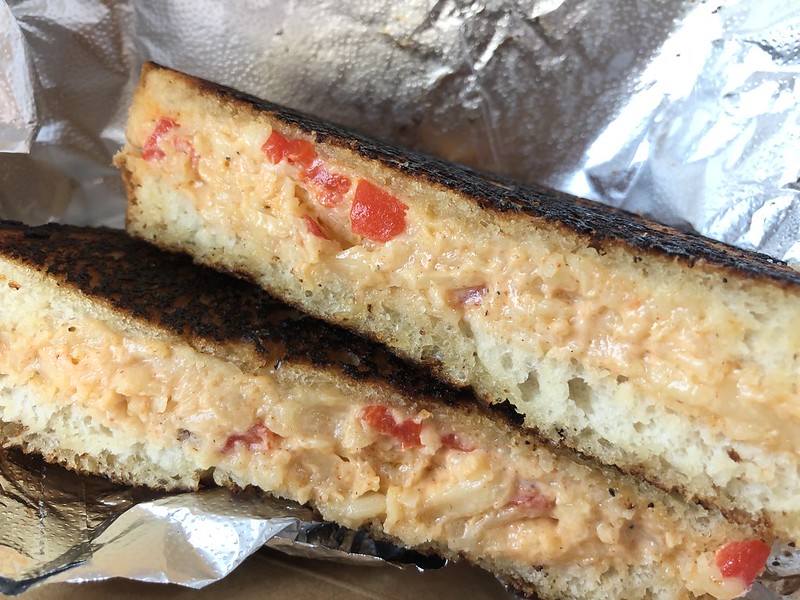
Appalachia has long relied on community networks — church basements, fundraisers, holiday exchanges — to keep traditions alive, and hot pepper jelly fits right in. By the late 20th century, pepper jelly had become a fixture — not just in home kitchens but in Appalachian food businesses. Small-batch producers began selling their versions at farmers markets and festivals. Restaurants started pairing it with fried chicken, pimento cheese, biscuits, or country ham. It stepped out of the pantry and onto the menu, carrying its history along with it.
Today, the resurgence of Appalachian cuisine has only strengthened its place. Chefs treat it as both a traditional preserve and a modern condiment. Home cooks use it as a glaze, a marinade, a topping, a secret ingredient.
Hot pepper jelly is resourceful, bold, a little sweet, a little fiery. It tells the story of how a simple Southern preserve found a home in the mountains and became, over time, something unmistakably Appalachian.
And around here, that’s history worth spreading.
Shake Your Boba is a bubble tea/boba shop located at 36 River Walk Mall in South Charleston.

They serve a variety of boba tea drinks — milk teas, fruit teas — and also some fun extras like bubble waffles.

I ordered a brown sugar boba milk tea, which was sweet and creamy with soft, chewy boba.

The bubble waffle is lightly golden and slightly soft, almost like a cross between a waffle and a soft pastry. The strawberries layer on a sweet-tart freshness that keeps every bite lively.

Grade: A
All work property of Candace Nelson. Powered by Blogger.